
Vori
Modernizing receiving operations
An industry-first, digital inventory receiving application to capture the invoice lifecycle
An industry-first, digital inventory receiving application to capture the invoice lifecycle
2021 - 2022
Product & Design
In order to grow, Vori must evolve into a holistic operating system that captures the invoice lifecycle end-to-end. The most critical juncture in that process is receiving items into inventory. By transitioning bay operations from paper to digital, independent grocers are able to reduce workload, protect margin and improve supplier relationships. I led the entire build process from conception to launch, connecting the dots between design, product and operations. The results were strongly positive and set a promising foundation for expansion, contributing to 7-figures in contracted revenue growth and a Series A fundraise.
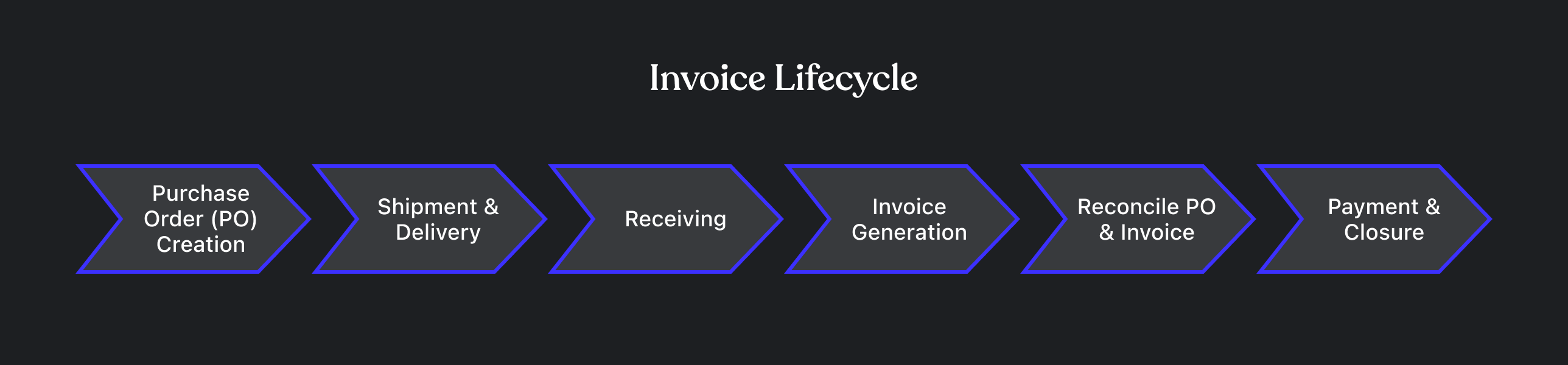
Through sales outcomes and propensity to pay conversations with customers, the product team determined future growth was dependent on evolving beyond strictly digital ordering to capture the entire invoice lifecycle. The core foundation to this complex series of hand-offs was inventory receiving, the only moment of ground truth and a critical data origination point. Effective receiving ensures documented inventory properly represents physical goods on hand and accounting teams can maintain a precise ledger. To succeed in our broader vision, we had to perfect this.
The bulk of grocer receiving operations today are primarily done by paper and pen. After a vendor delivers an order to a store, the receiver inspects the items against the purchasing order before entering into inventory. They examine the condition and quantity to verify contents of the delivery, noting any issues and discrepancies between the PO and invoice. From there, it's typically reviewed by the original buyer for full transparency before a final stop at accounting for payment after a complete reconciliation.
As it exists today, inventory receiving an incredibly tedious and manual process with substantial knowledge gaps along the way. The result is a plethora of potential issues including a lengthy receiving process, missed counts, hidden spoilage or breakage and excess outgoing payments. All of these directly impacts a grocers bottom line and hinders growth opportunities.
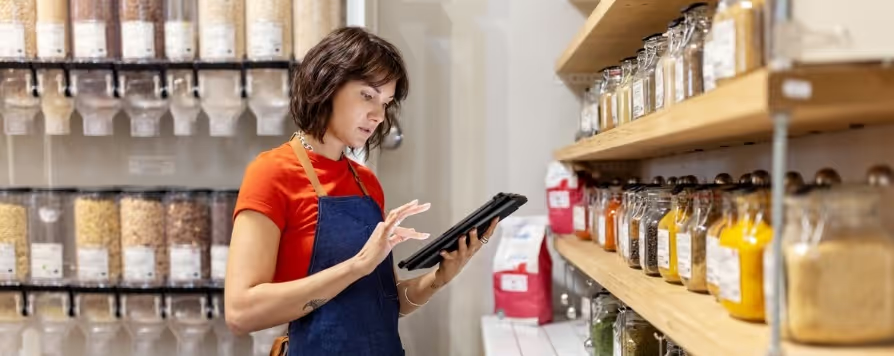
We noticed early on store employees wouldn't respond to traditional survey methods, but were happy to welcome an observer for the day. Therefore, in order to build products independent grocers will successfully adopt, we spent substantial time with users in the field documenting their daily routine and constraints. Doing so with receivers allowed us to understand how they interface with delivery drivers, examine a delivered shipment and interact with physical purchase orders and invoices. This exposed where the current paper-based process breaks down, what inefficient tactics exist to solve problems and how their physical environment influences the receiving process.
Immediately, it was evident just how tedious and broken traditional receiving was. Some, but not all, of the most notable learnings were:
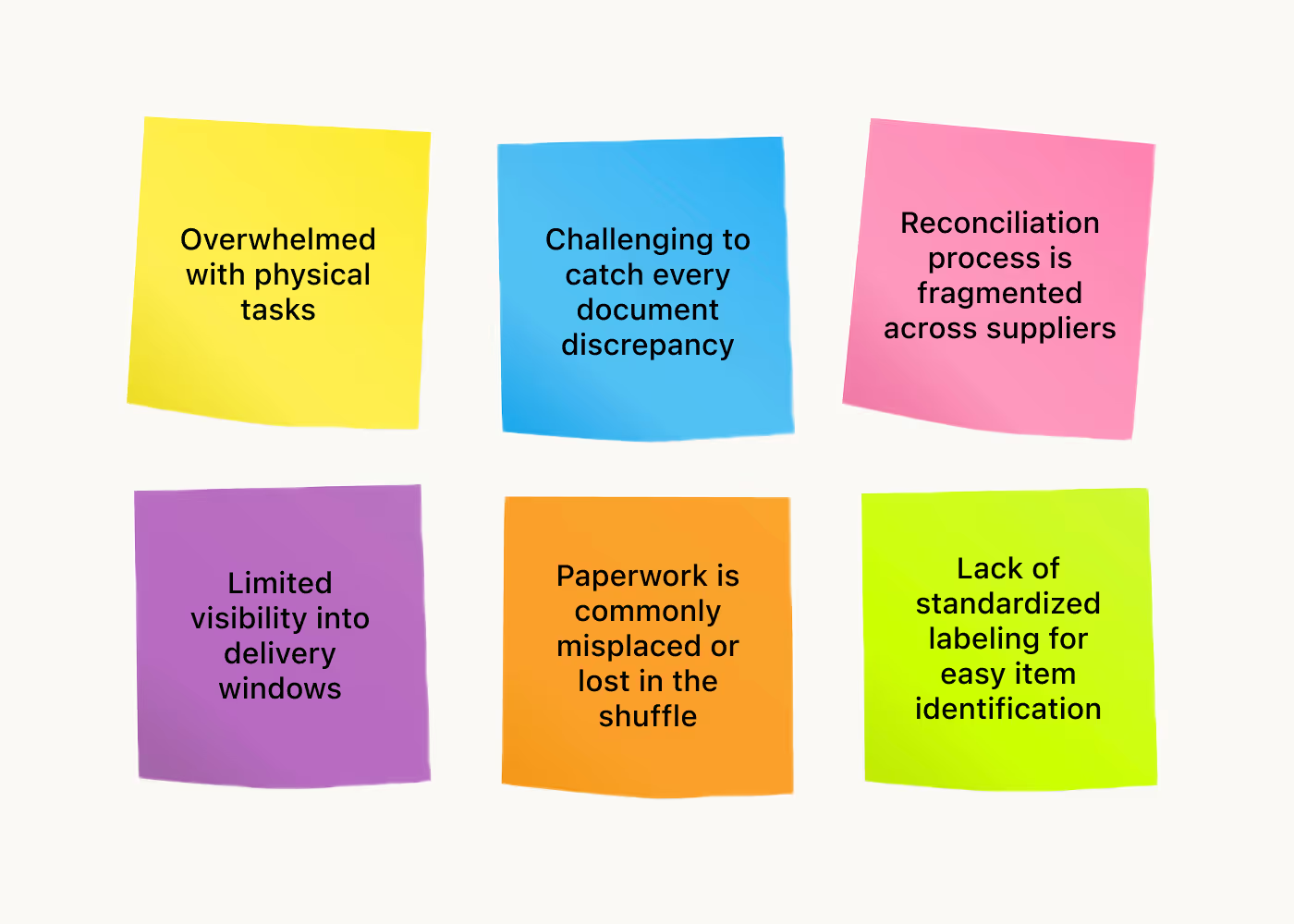
First, a receiver was forced to juggle several tactile responsibilities simultaneously including opening a package, comparing PO and invoice, making notes, etc. The result is a lengthy process commonly more than 30 minutes in length with frequent written revisions cluttering all paper documents. Second, it was difficult for a receiver to consistently identify every discrepancy between PO and invoice. Overpayment did happen causing constrained relationships and lost revenue. Lastly, there was no standardized reconciliation process among suppliers. Accounting would commonly have to chase down specific details from receivers including a recount and pictures used to document condition — they wouldn't always receive them!
With a plethora of learnings in tow, I began mapping out product requirements. The themes of highest importance were usability and standardization. In order to mimic the familiar form factor of paper and a clipboard, building a tablet-based receiving application was the most strategic. It's size strikes an attractive balance between usability and portability. Additionally, meetings with engineering confirmed our mobile infrastructure including the design system and backend could be utilized to build quickly.
The receiver experience begins with a store-wide view of all orders submitted by buyers through Vori, categorizable by department and vendor. If a supplier is a member of the Vori network, the system has already cross-checked the invoice against purchasing order to flag clear discrepancies like size, price or mispick. They select a PO and start verifying individual line items by scanning exterior barcodes and/or visually inspecting to identify when needed. During the receiving process, several item issues can arise labeled as: damaged, outdated, short and not delivered. Vori standardizes reporting with a streamlined workflow capturing details and visual proof — no more growing camera rolls! When done, the receiving report is submitted for buyer review.
That's the magic of Vori's industry-first digital receiving application! What once required an endless stack of paper is now a unified system with cross-department visibility. The most notable benefits are a more accurate inventory snapshot, substantial workload reduction for receiving staff, overpayment prevention and improved supplier relationships.
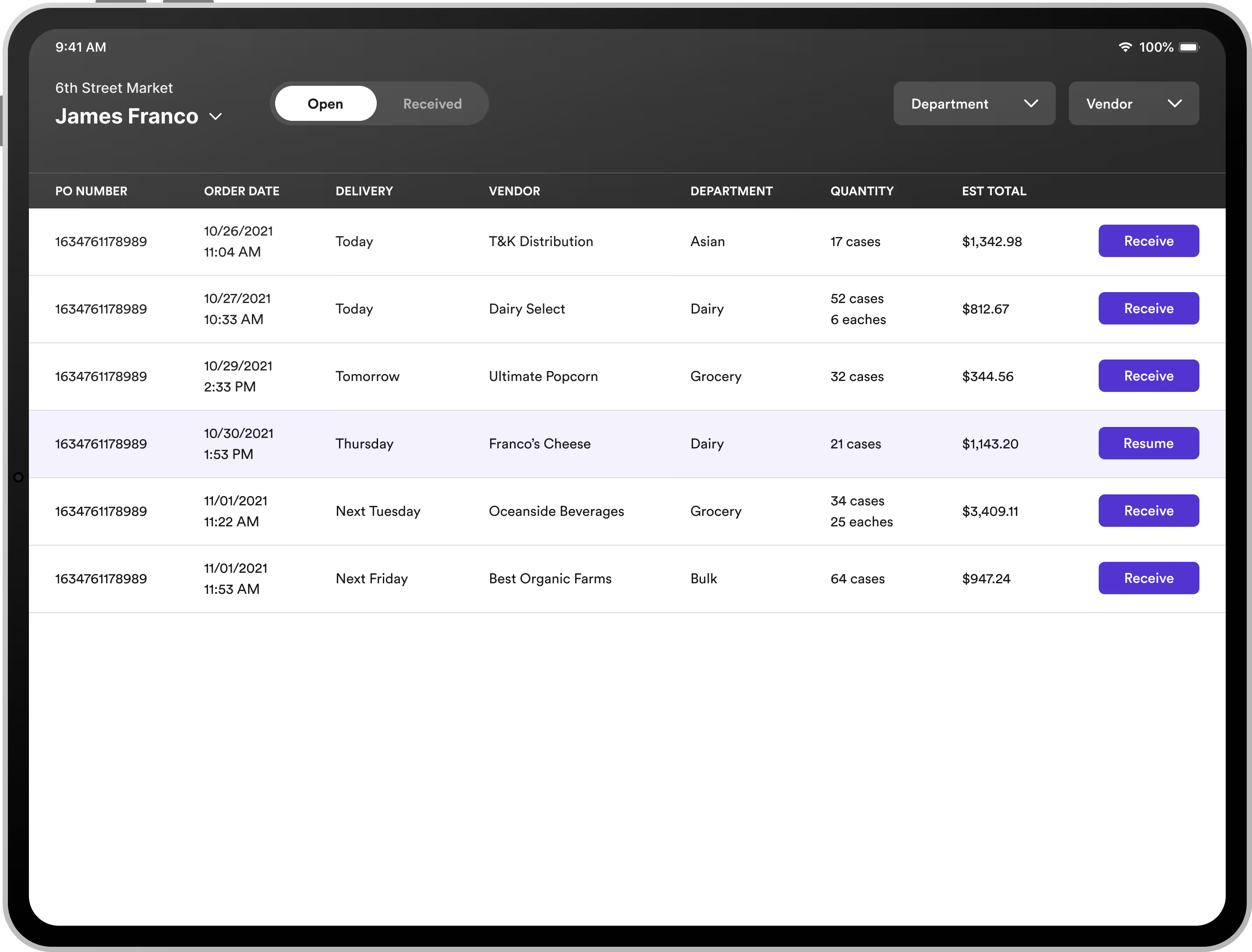
After logging into their account, receivers are greeted with a home screen containing all deliveries still pending examination and acceptance. Additionally, past orders can be reviewed at any time.
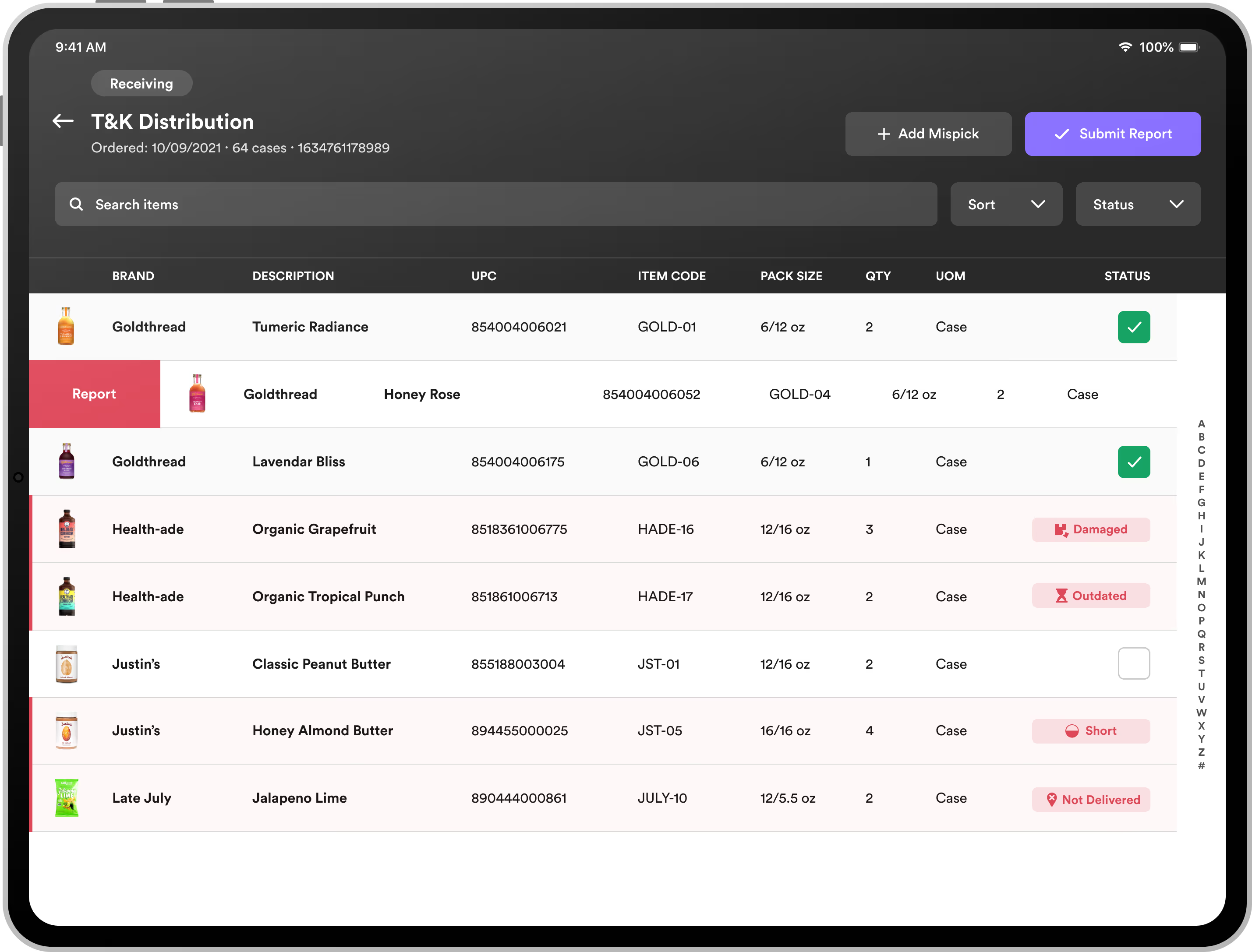
While actively receiving a delivery into inventory, line items are verified as correct or noted with one of four issues: damaged, outdated, short or not delivered. The report is submitted for buyer review once complete.
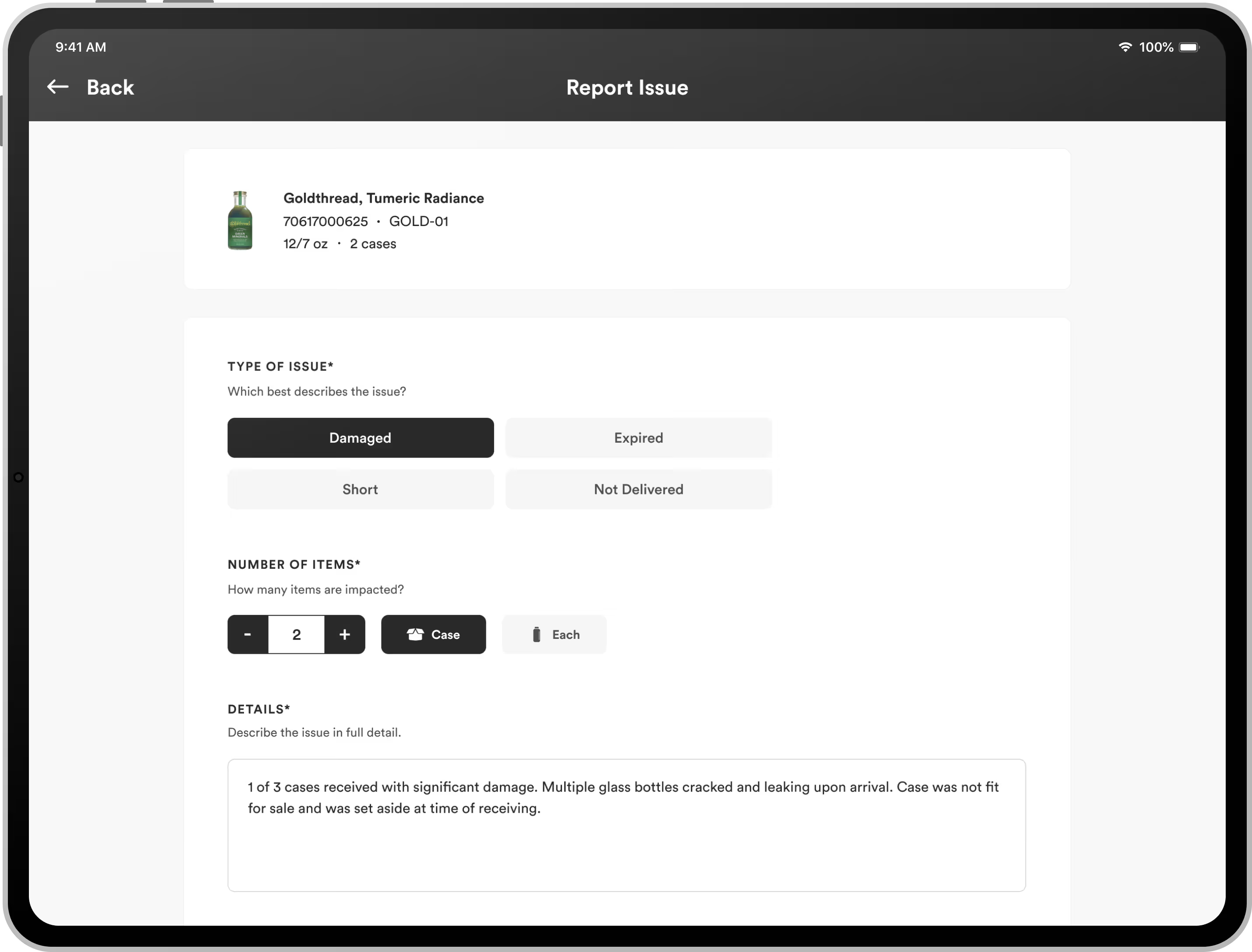
If a condition or quantity issue is identified, swiping left on a row reveals a standardized reporting form requiring details and photo proof to support the recociliation process with the supplier.
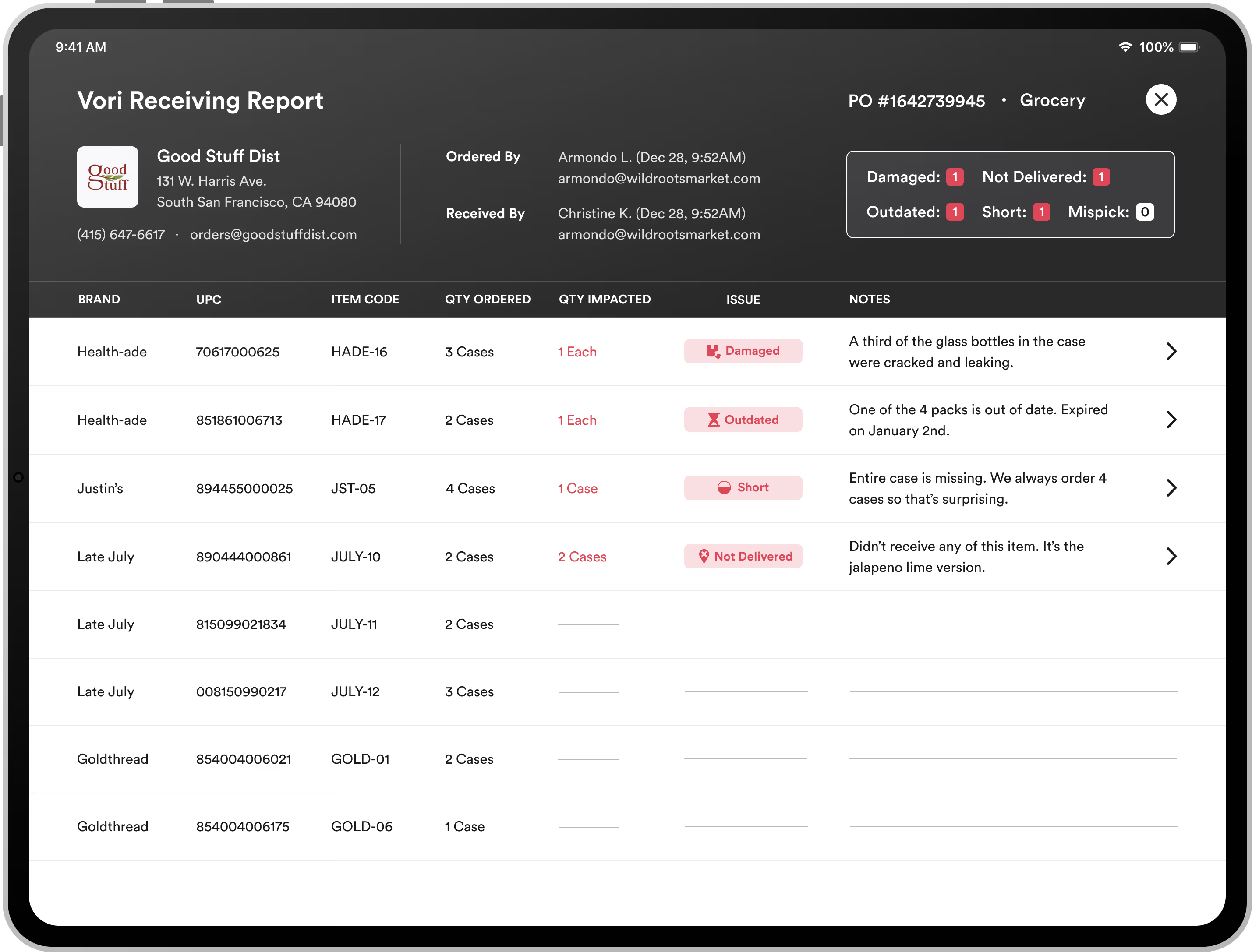
After the receiving process is complete, a detailed report with all item specifics is generated. This acts as a historical inventory snapshot, creating an auditable paper trail and foundation for an accounting product.
Ditch the paper and clipboard. Receive smarter, catch every discrepancy and know your inventory is right before the next delivery.
Our team was familiar with softly fighting uphill for stores and their employees to adopt a new product. We were fighting decades of engrained processes and personal reservoirs that didn't have much bandwidth left to tap into. All while doing so as a newer company still building trust in an industry dominated by relationships. It was frustrating at times, but not surprising.
And yet, something interesting happened. As soon as the first prototype was shown to receivers and management, the response was overwhelmingly positive. They embraced it immediately. Two factors caused this reaction: immersive user research to identify the details that matter and a first taste of a more expansive product offering. Vori's vision to capture the entire invoice lifecycle with a holistic operating system was becoming clearer. When launched, the results crushed our internal goals and led to $MM in new contracts that would be a key unlock to an approaching Series A fundraise.
On average, stores estimated a 1% invoice discrepancy rate for $800K of monthly inventory costs. Vori's receiving product reduced unidentified discrepancies by 66%, translating into $3.2K of potentially reclaimed losses for Vori orders.
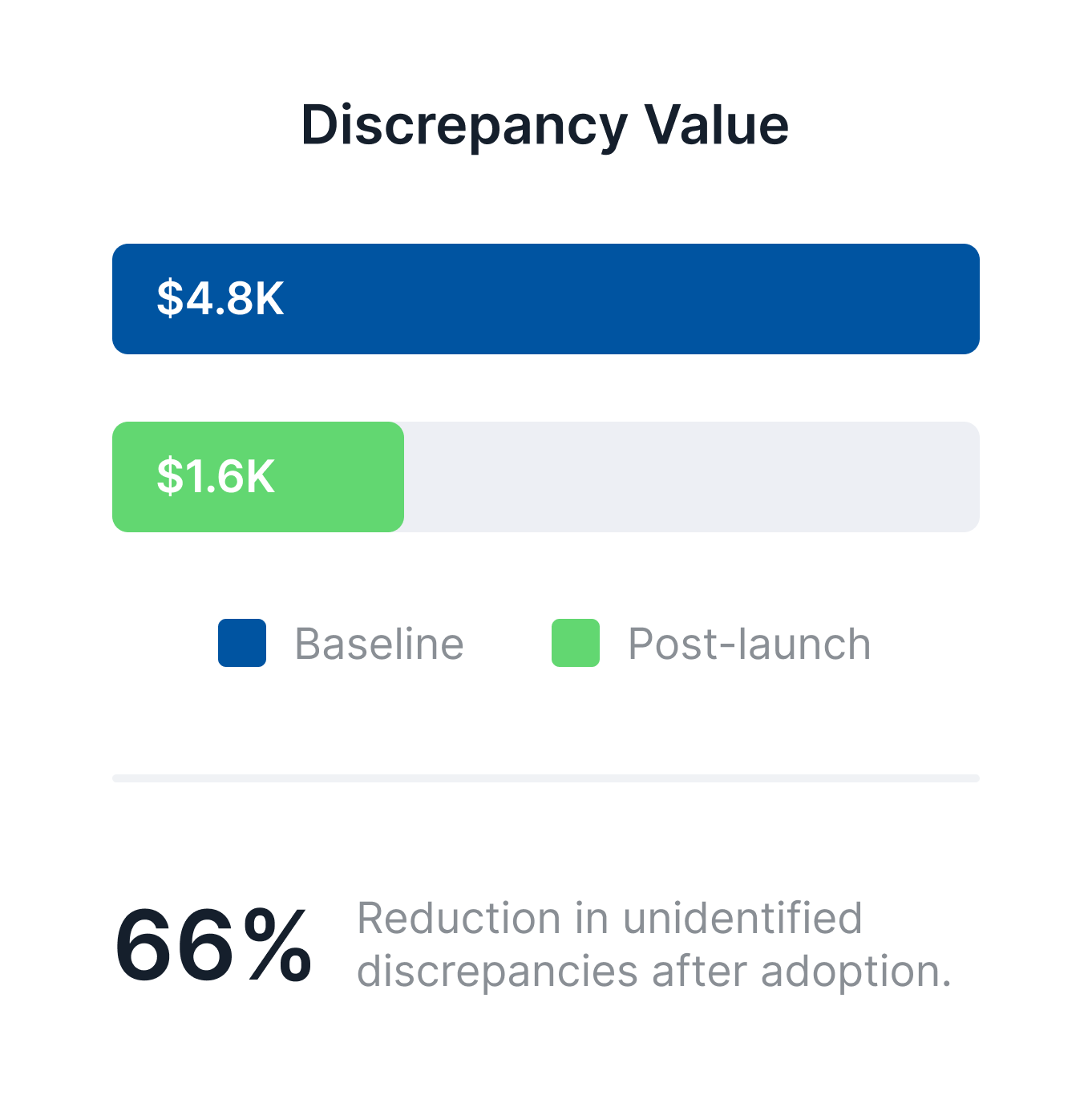
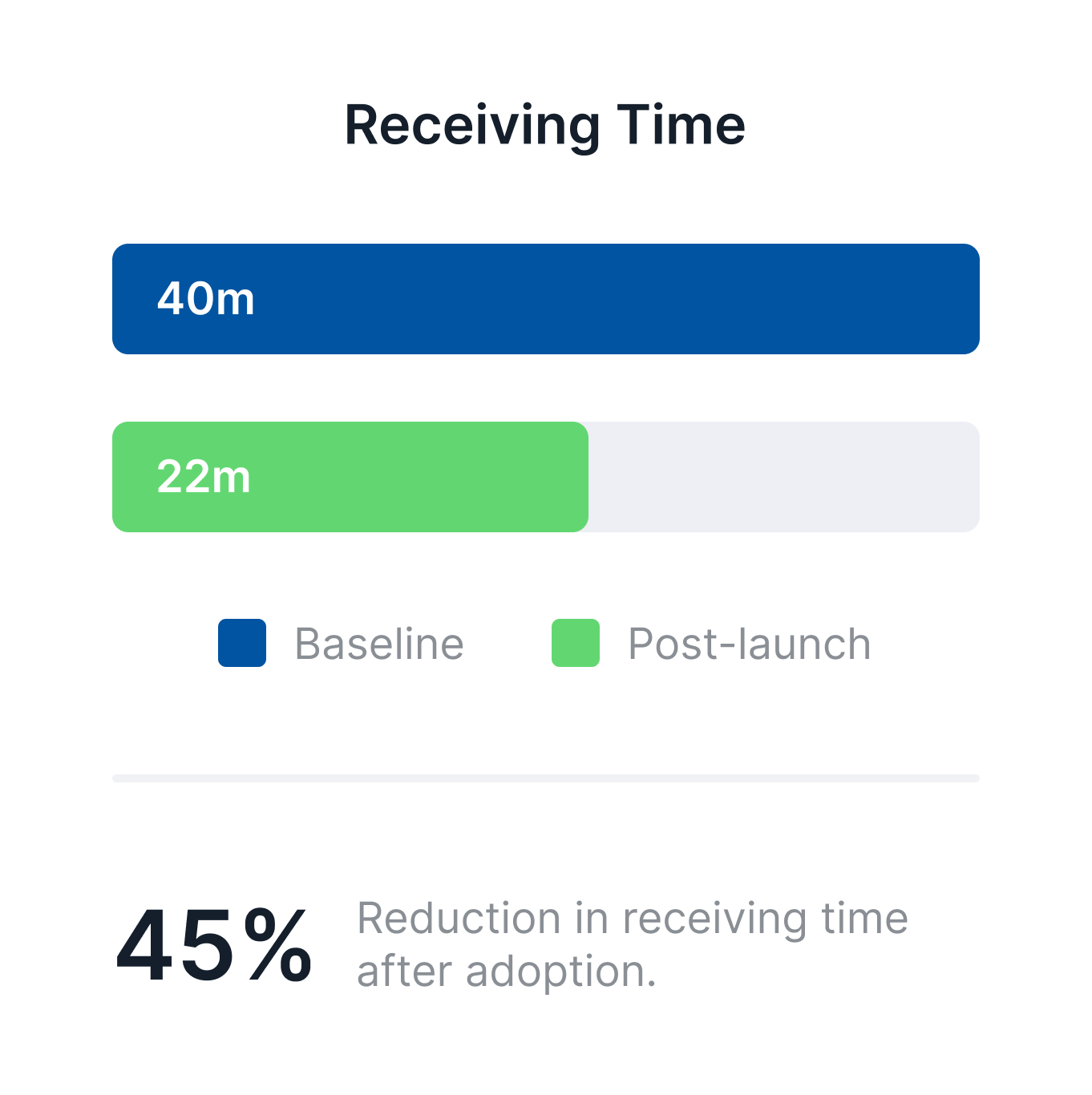
As receiving departments adopted this product, there was a clear opportunity to compare paper to digital. The result was a 45% reduction in average time to receiving an order in a single session.
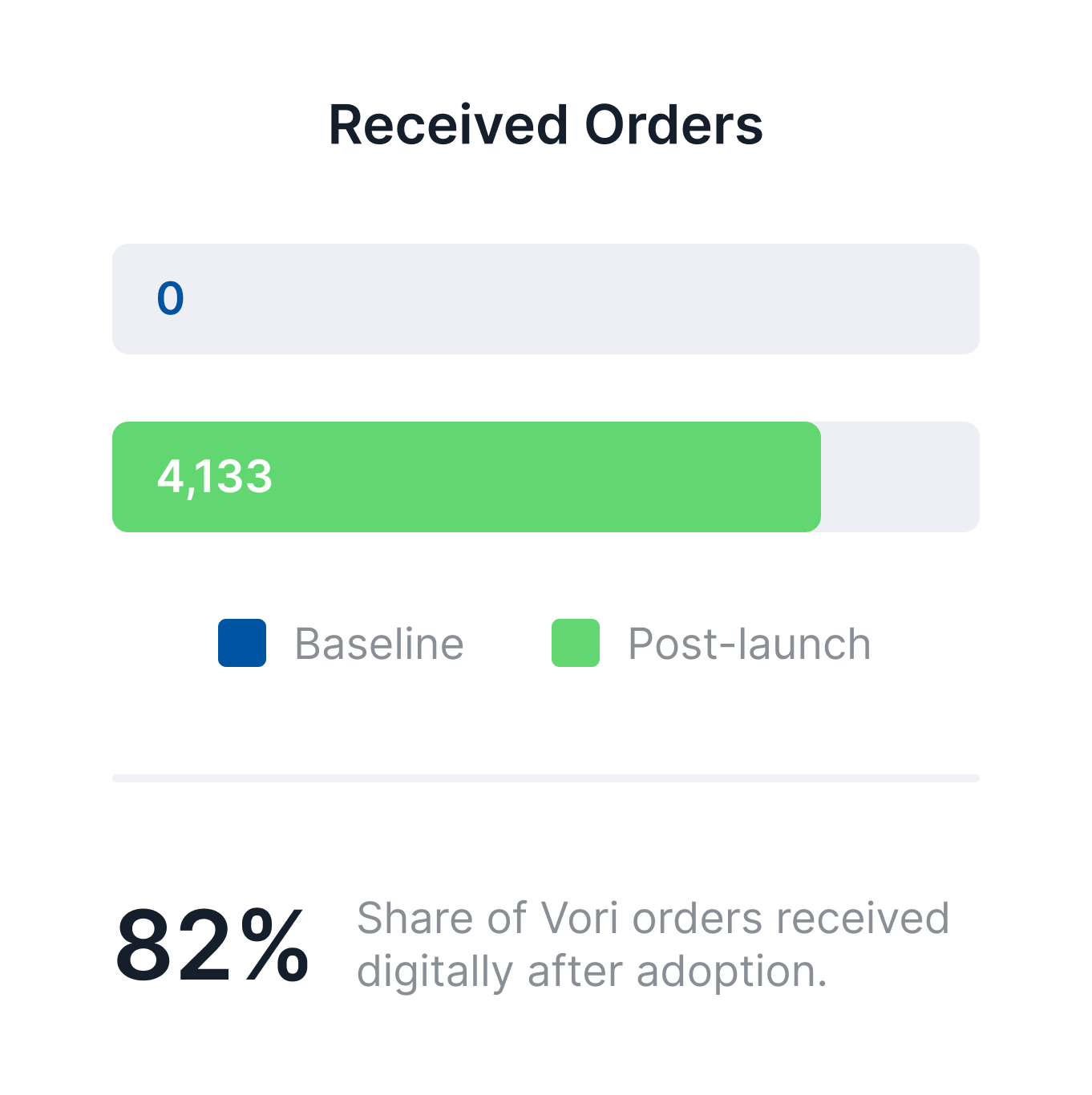
Success of this product was reliant on receivers taking the leap from familiar paper territory to a new digital workflow. After several months, the majority of Vori orders were also received through Vori due to a superior experience.
Receiving inventory is the bedrock of the inventory lifecycle. It's where foundational truth is produced which informs the existence and accuracy of every other step in the system. Vori's tablet receiving application is a great initial step in the transition from paper to digital in addition to the company's evolution from a one-track strategy to a mature suite of products. The chance of success is much higher with this new offering in the market. Although, the next generation of receiving should be focused on intelligent automation in order to remove as much tedious work tied to contextual difficulties as possible. A few ideas for what this future could look like: