ChronicKey
Tackling the chronic pain epidemic
A friendly AI chat bot specifically trained to educate about psychosomatic pain
A friendly AI chat bot specifically trained to educate about psychosomatic pain
2023 - 2026
Founder
Chronic pain affects millions of people across the United States. For a significant subset, the traditional medical system has provided few answers. The missing piece could be understanding the mind-body connection and neuroscience behind psychosomatic pain. I built several iterations of Atlas, an AI-powered chatbot focused on education and belief around these concepts. The final version used the Claude API with a deeply customized system prompt, a curated RAG knowledge base pulling from PDF materials and delivered via SMS through Twilio. Generated 4-figures in revenue and a substantial 46% beta-to-paid conversion rate.

Roughly 1 in 5 adults in the United States, approximately 50 million people, suffer from chronic pain. Nearly 35% of those individuals experience high-impact pain which severely restricts their daily activities and quality of life. The estimated cost to service this condition is $600B+ per year — more than the annual cost of cancer, heart disease, and diabetes combined. Meanwhile, yearly treatment outcomes remain woefully low with resolution in less than 10% of patients. The industry and population size continues to grow, yet that's all. There's clearly something broken!
I first learned these incredulous statistics after experiencing unexplained chronic back pain for the first time after healing from a minor calf strain in November 2022. I jumped through all the typical hoops seeking answers: primary care, chiropractor, pain specialists, MRI's, physical therapy, pain injections and more. No matter what I did, the pain persisted. Until I discovered the work of Dr. John Sarno, a rehabilitation physician at NYU and author of Healing Back Pain. He shattered industry expectations with pain resolution in more than 80% of clinic patients.
Dr. Sarno proposed that the majority of chronic back pain, and other persistent symptoms, were a often a result of unconscious emotional stress. Repressed emotions, especially anger, divert attention from emotional conflict by creating physical symptoms. A perfect storm in a healthcare system built on the notion that pain always has an anatomical basis. Consistently dismissed by mainstream critics, modern neuroscience research has largely proven his concepts to be true: pain is not always a signal of injury, the brain can create real physical symptoms and emotions and past trauma can fuel chronic pain. Thanks to Dr. Sarno and other mind-body practitioners, I'm pain-free after embracing and tackling the true origins of my pain. I explored how to leverage technology so others can experience the same result.
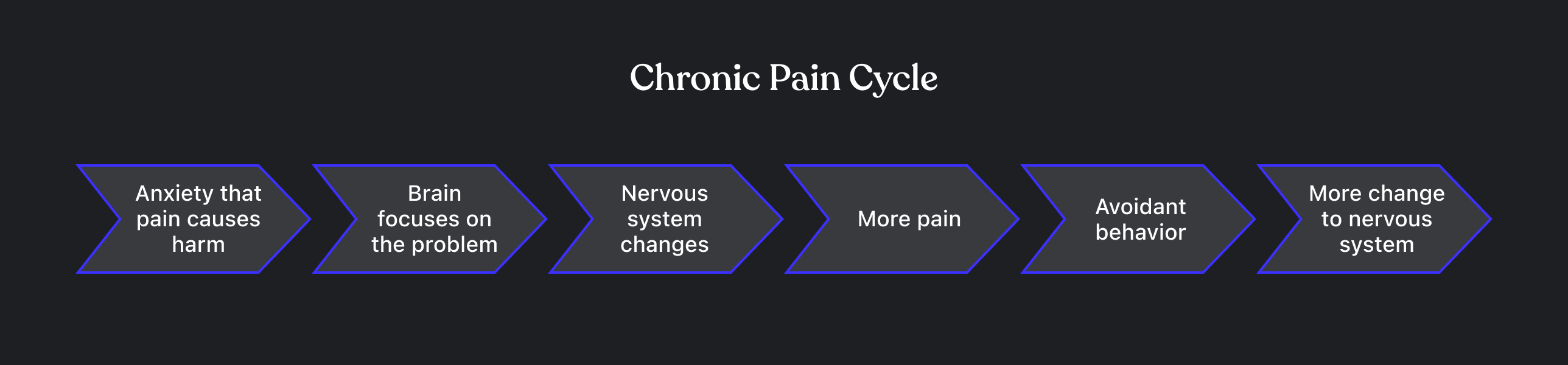
From personal experience, I have a very intimate understanding of the needs and challenges individuals with chronic pain face. I'm still only one subject. I wanted to speak to others of varying backgrounds to get a clear sense on what would help them in their journey. The space I found those individuals was an online forum called The Mindbody Syndrome. It was typically one of the first places people landed after they'd exhausted all traditional medical resources, just as it was for me. Their position of vulnerability ensured an openness that was effective to engage with and conceptualize what an AI chat bot for pain might look like.
In order to create a comfortable environment, I approached all conversations with natural dialoguse dominated by education and encouragement. My goal wasn't to sell a potential vision, but instead peek into their inner brains. An effective angle was naturally weaving in questions to my correspondence like, "What do you feel is missing from your journey?" and "How do you want to be supported in navigating this world?". The insights that trickled in gave clarity on what was truly at the core of their struggles and how they're thinking about navigating it.

Ultimately, chronic pain is undoubtedly an incredibly challenging issue to solve due to it's individualized complexity. Unlike a disease with a shared culprit, every case is unique. People of all size, age and background may experience it at some point in their lives. Although, Sarno identified specific attributes that commonly make someone more prone to experiencing psychosomatic pain.
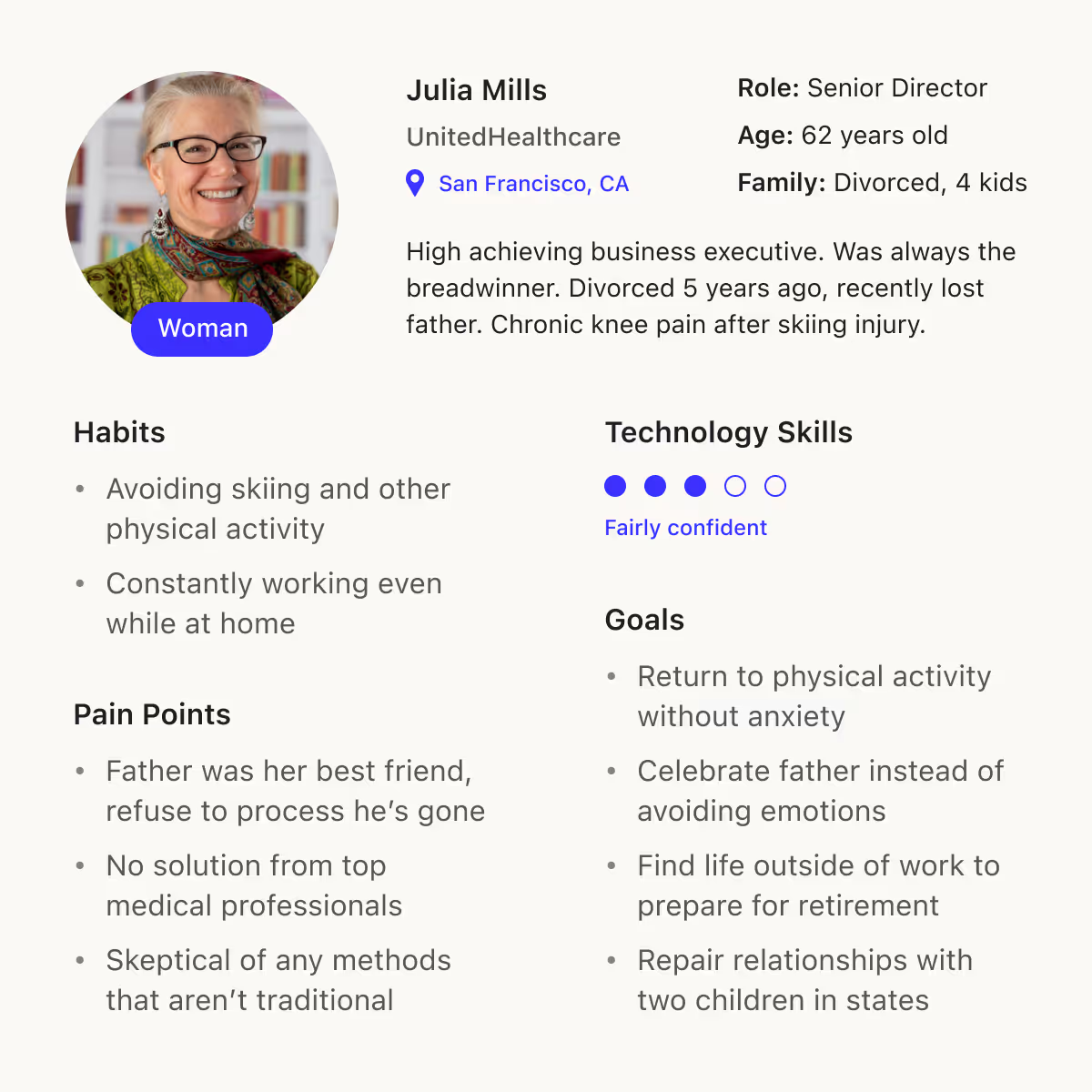
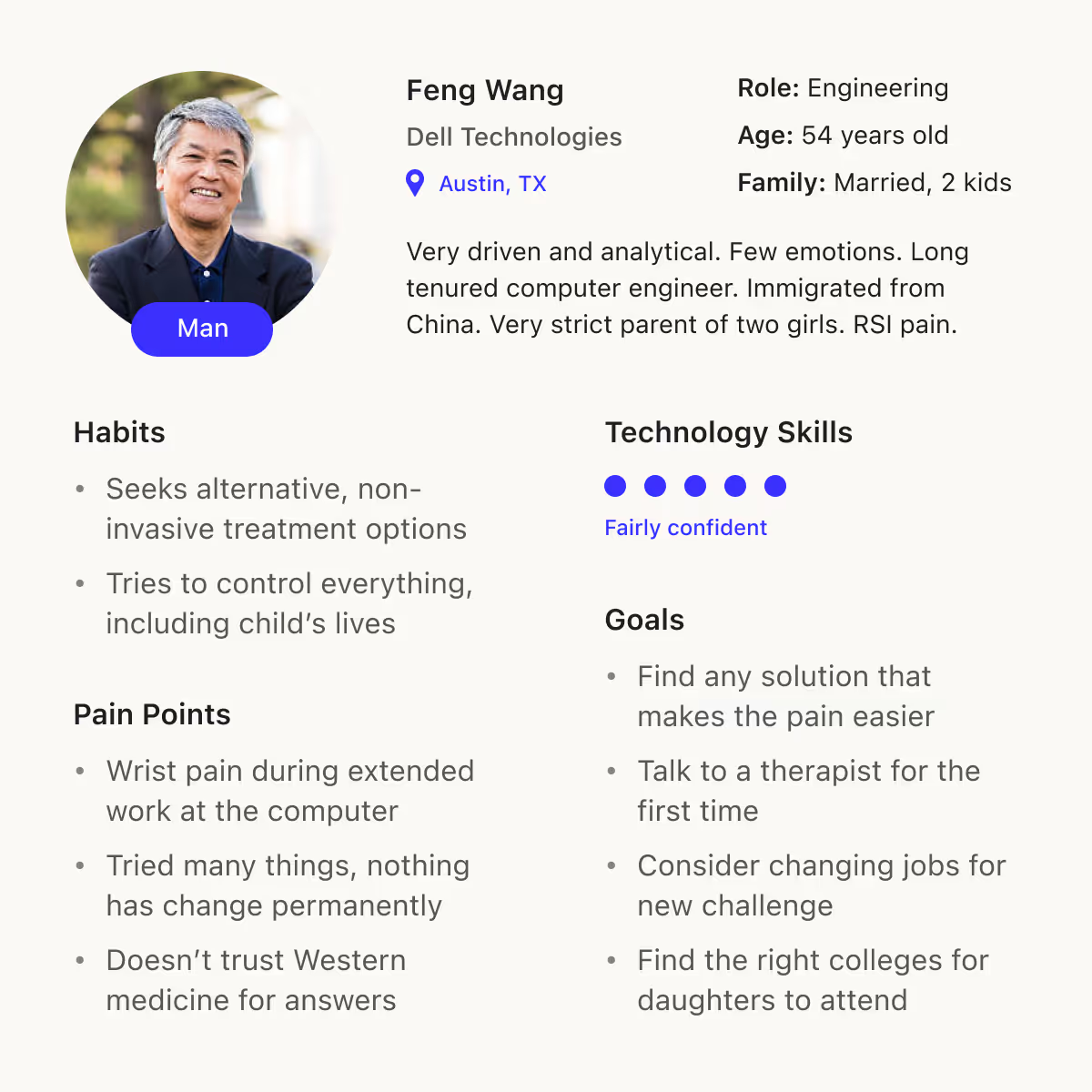
The distinctive character of those most effective is defined by responsibility and high-sterss. They're commonly labeled in society as: high-achieving, perfectionist, people-pleaser, hard on themselves, too responsible and/or always happy. The same vulnerability that makes people good can also be responsible for creating a pressure cooker like emotional environment. I saw this unfortunate paradox play out consistently in my conversations where individuals described their lives and experience as "environments of chaos" with deep rooted expectations of elite performance. Whether a mother of four adult kids or a CEO of a large company, the expectation of a happy face at all times was a prevalent burden.
Beyond a specific personality profile, the most substantial commonality was lived experience. Hardships and trauma scale linearly with adults that have had more opportunity to experience life and maturation during different stages of aging. Divorce, death of a parent, accelerated work promotions — all outcomes that can create lasting emotional and spiritual wounds. If not processed properly, the possibility of developing neuroplastic pain persists. Almost everyone I interacted with had a traumatic life experience that altered the trajectory of their life, whether they knew it or not. It likely happened in the last 5 years, but for some it stretched as far back as childhood. As a result, the majority of potential users were midlife (45-65 years old) where the height of life's challenges and changes typically occur.
First, I wanted to gather insights as quickly as possible. I started with a common UX research method called “Wizard of Oz” prototyping by creating an AI agent texting experience on WhatsApp that was powered by a human (me) behind the scenes. I utilized GPT-4o to generate a related library of templated responses and phrases that could be utilized for most related conversations. They were created with prompts that focused on core neuroplastic pain knowledge and stressed natural conversation flow. Doing this required no immediate technical work and gave me insights into how to best shape the agent experience moving forward.
Next, I created a custom GPT on OpenAI named Atlas. Instead of traditional machine learning training, a series of detailed system prompts were used to properly “program” the agent. I created a robust framework that defined the agent’s mission, personality and boundaries. Additionally, I was able to augment Atlas with a knowledge base of PDF knowledge files to promote high quality interactions. This included resources such as Dr. Sarno’s books, related research papers, YouTube video transcripts, a mind-body practitioner list and more. Since the agent lived inside ChatGPT, users were able to easily access it for free. The response was overwhelming! I had messages from many people relaying how this tool opened their eyes to a whole new world of possibilities. Condensing a wide-world of uncommon information into a single queriable experience was clearly having a huge impact, but I knew the next iteration had to be more sustainable and personal.
Using the same system prompts and knowledge bank, I built a more private agent that any user can text. Think of it like a pocket pain journey partner. I installed all the necessary dependencies and prompted Claude Code to “Build me a Node.js SMS chatbot server using Express.js, Twilio, Anthropic Claude API, Supabase and Voyage AI.” I continued to use Claude to build a Supabase vector database and create a document ingestion script to properly store all the knowledge base files. Using a webhook, all texts moved through Twilio. Similarly, it was a quick hit with users exchanging more than 10 texts a day with Atlas.
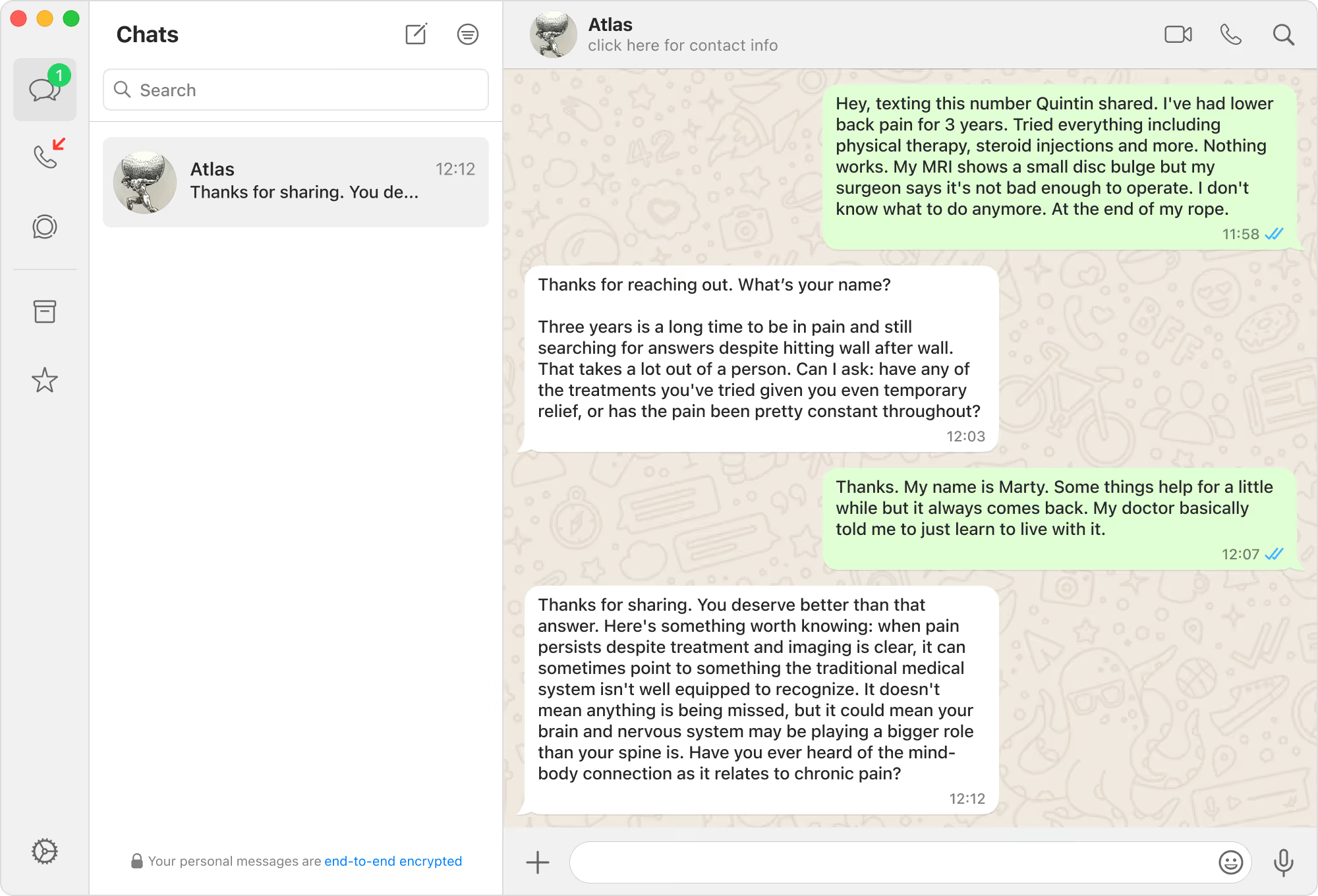
Upon reaching out, the conversation flowed according to the user's familiarity and reference to psychosomatic pain. Typically, the understanding was minimal so that was the initial springboard. Considering I was the brain behind Atlas, responses were a bit more delayed than a traditional AI chat bot.
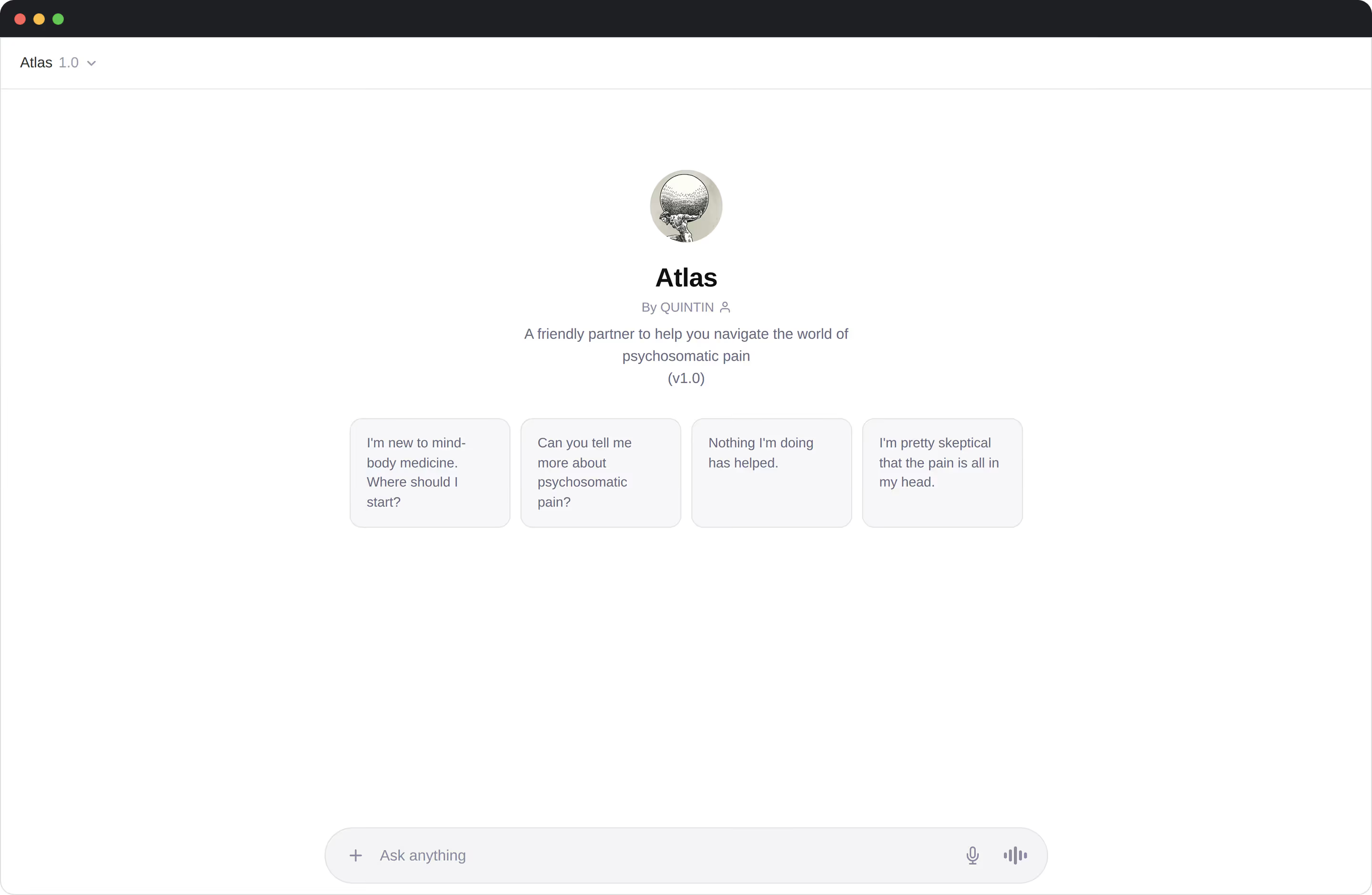
Atlas evolved into a more robust custom GPT, leveraging the infrastructure and interface of OpenAI. To further explore their chronic pain, user had the option to begin with their own dialogue or select from a defined list of conversation starters.
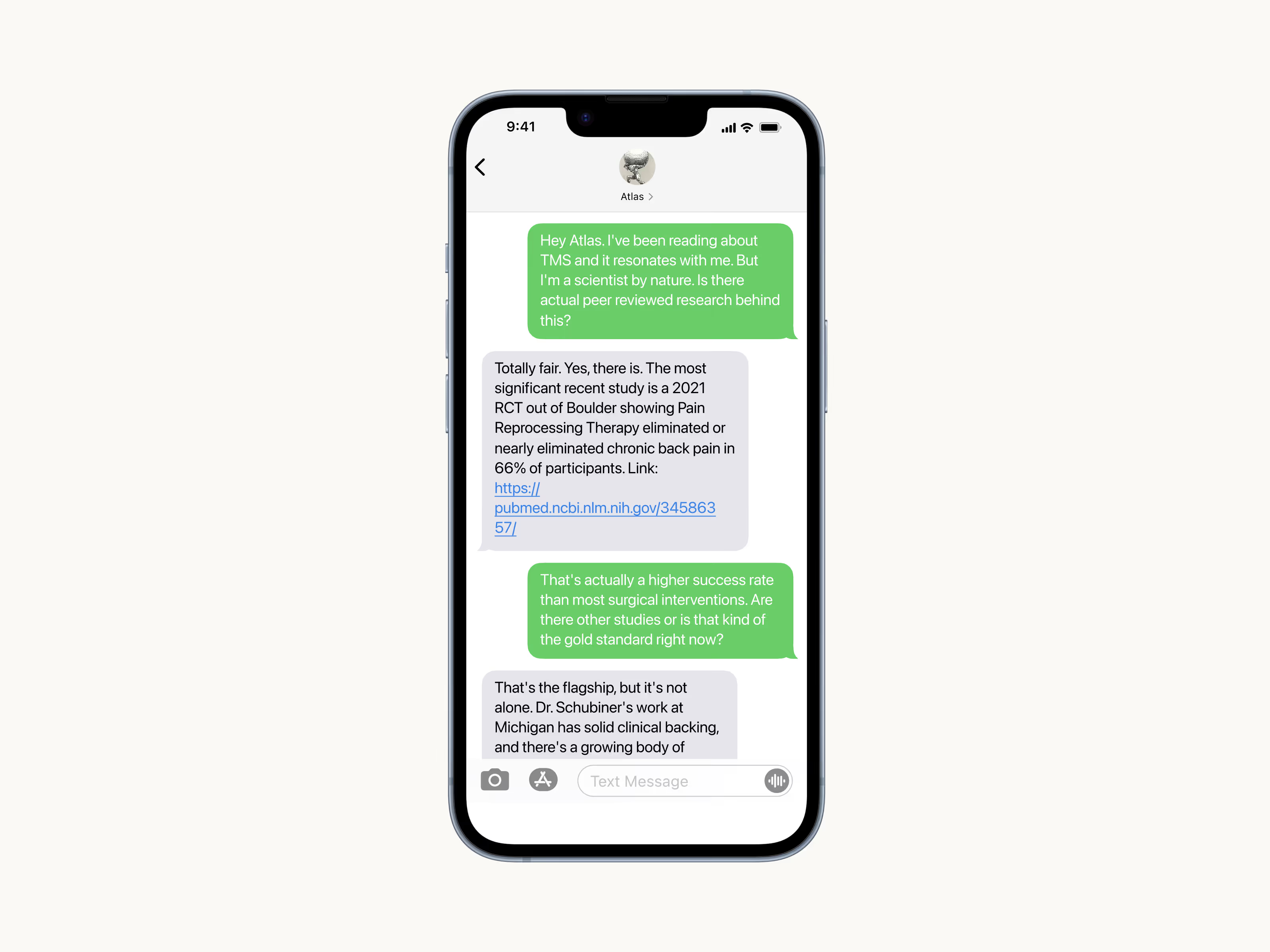
Atlas' final evolution was as a more personal, integrated assistant. Existing in the place users frequent the most — their text messages. The goal was to make it feel like talking to any other friend. That comfort and intimacy, in addition to more refined response due to a RAG-based knowledge bank, motivated many to convert to paying customers.
Explore the hidden emotional and mental patterns keeping your nervous system stuck in a cycle of chronic pain.
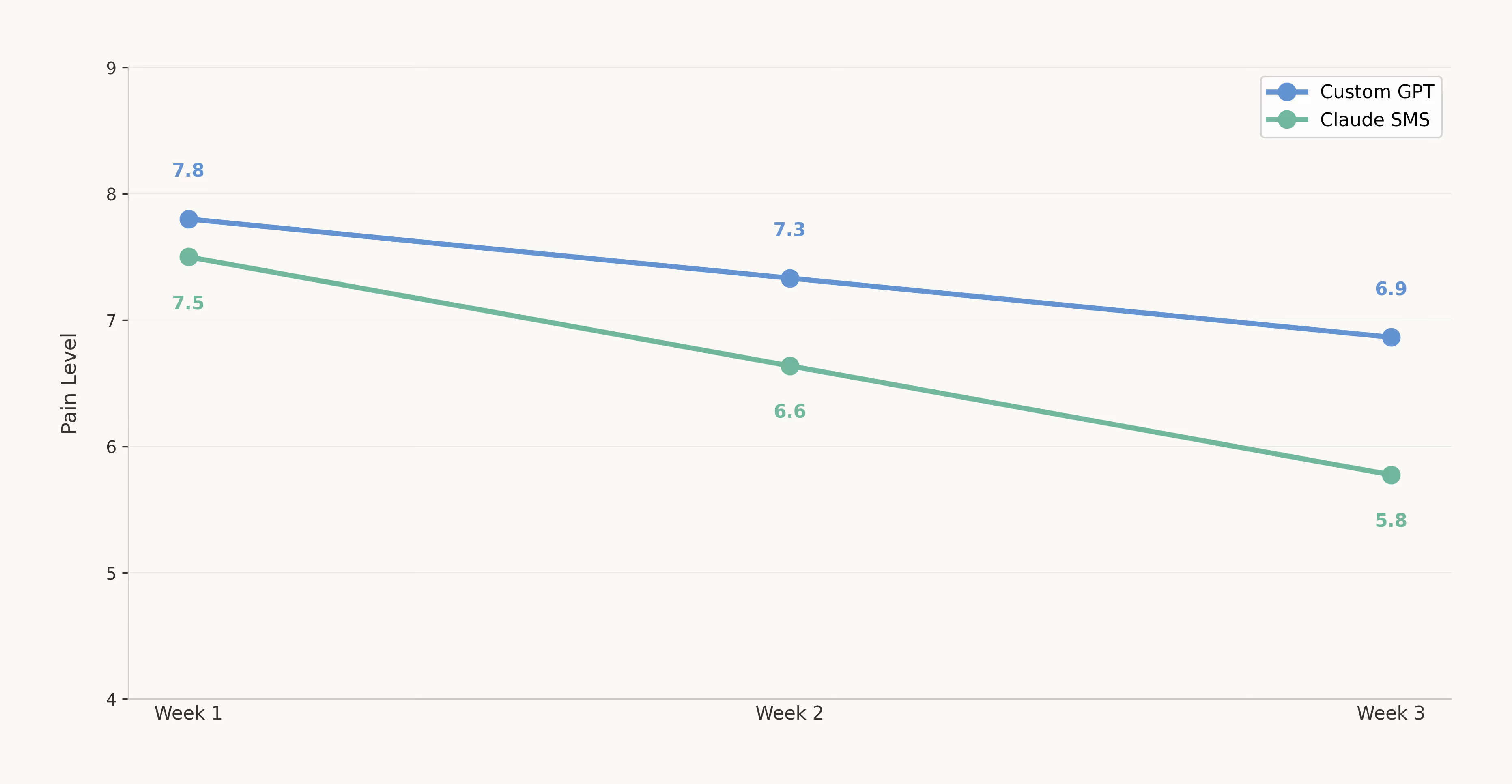
It's never easy to struggle alone, especially when resources meant to help have little impact. In order to find community and answers, individuals join and participate in the TMS forum. Having consistent dialogue with them was relatively easy and straightforward. They wanted to feel seen and heard. Although, I found adoption of a nascent product challenging due to lack of trust and reputation. It wasn't until I launched the custom GPT that people started to take more notice. I was able to acquire 64 users, nearly all of which had a ChatGPT account already. There was no paywall, so friction was reduced. Over the course of three months, surveyed pain levels decreased by roughly 12%.
The feedback from this group was mostly positive, highlighted by an ease of exploring and learning about the mine-body medicine space. The main critique was that it didn't feel like interacting with Atlas was integrated well into their regular routine. User habits mirrored this sentiment as sharing insights and progress with the bot decreased gradually over time. Therefore, the next iteration was built on SMS texting and had an evolved knowledge base. After several product iterations, I decided to launch a subscription model priced at $10/month. A total of 30 free users became paying customers, representing a substantial 46% conversion rate totaling $3.6k ARR. Over the course of the next three months, users reported a 23% decrease in pain levels with several describing it as the first change they'd experienced in months. Recently, I decided to pause this project to pursue full-time opportunities.
Success of this product was reliant on receivers taking the leap from familiar paper territory to a new digital workflow. After several months, the majority of store orders were received through Vori due to a superior experience and pressure from store buyers.